Cannabis is moving beyond stigma into a mainstream role across wellness, medicine, and lifestyle. As consumer interest grows, understanding the plant’s chemistry, consumption methods, safety, and quality markers helps you make informed choices—whether you’re exploring for relaxation, symptom relief, or creativity.
Understanding cannabinoids
Cannabis contains hundreds of cannabinoids, with THC and CBD being the most familiar.
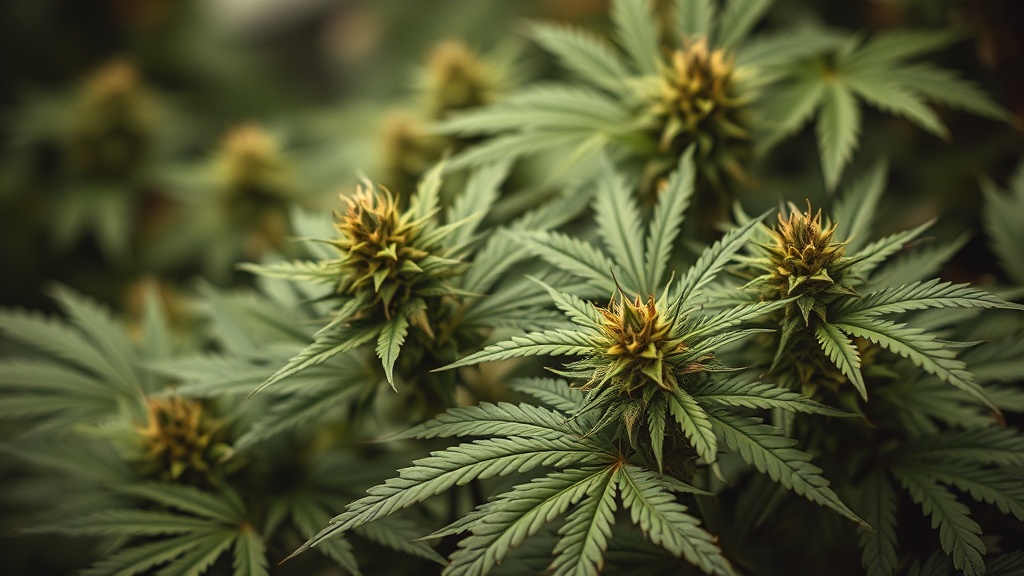
THC is the primary psychoactive compound responsible for euphoria and impairment.
CBD is non-intoxicating for most people and is commonly used for anxiety, inflammation, and sleep support. Lesser-known cannabinoids such as CBG and CBN are gaining attention for targeted effects like anti-inflammatory and sedative properties. The best approach is to match cannabinoid profiles to your goals: higher CBD for daily symptom management, controlled THC for recreational or symptom-relief purposes.
Terpenes and the entourage effect
Terpenes are aromatic compounds that contribute to flavor and may influence effects. For example:
– Myrcene: often associated with relaxation and sedative effects
– Limonene: linked to mood elevation and energy
– Pinene: may help alertness and focus
The “entourage effect” describes how cannabinoids and terpenes can work together to modify overall experience. Look for products that list dominant terpenes if you want a more tailored effect.
Consumption methods and onset
Different delivery methods change onset, intensity, and duration:
– Smoking and vaping: Rapid onset within minutes and shorter duration. Good for titration but may irritate lungs.
– Edibles: Delayed onset (30–120 minutes) and prolonged effects.
Ideal for long-lasting relief but require careful dosing.
– Tinctures and sublinguals: Faster onset than edibles, more discreet, and easier to dose.
– Topicals: Localized relief for pain or inflammation without systemic psychoactive effects.
Choose a method that aligns with your lifestyle and tolerance. For newcomers, tinctures or low-dose edibles are often a sensible starting point.
Safe dosing strategies
Start low and go slow—especially with edibles. A conservative THC starting point is a small dose, then wait sufficient time before increasing. Microdosing (very low daily doses) can provide subtle benefits without significant impairment.
Keep these safety practices in mind:
– Wait at least two hours before re-dosing with edibles.
– Avoid combining cannabis with alcohol or sedatives.
– If using medicinally, coordinate with your healthcare provider to avoid drug interactions.
Quality, testing, and labeling
Trustworthy products come with lab reports confirming cannabinoid potency and testing for pesticides, heavy metals, residual solvents, and microbes. Packaging should clearly list:
– Total cannabinoids (THC and CBD)
– Terpene profile, if available
– Recommended serving size and dosing guidance
Avoid products without third-party testing or clear ingredient lists.
Storage and home safety
Store cannabis in a cool, dark, airtight container away from children and pets. Proper storage preserves potency and terpene profile while reducing mold risk.
Keep edibles secured to prevent accidental ingestion.
Responsible use and legal considerations
Legal status varies widely by location. Always follow local regulations and never drive or operate machinery while impaired. If using cannabis for medical reasons, discuss it with a clinician—especially if you’re pregnant, breastfeeding, or taking other medications.
Practical next steps
If you’re curious, visit a reputable dispensary and ask for products that include lab results and terpene information. Start with low-dose options, track effects in a journal, and adjust gradually to find what works best for your needs.