Navigating the Modern Cannabis Landscape: Trends, Safety, and Smart Consumption
The cannabis market has evolved beyond a single plant or product category.
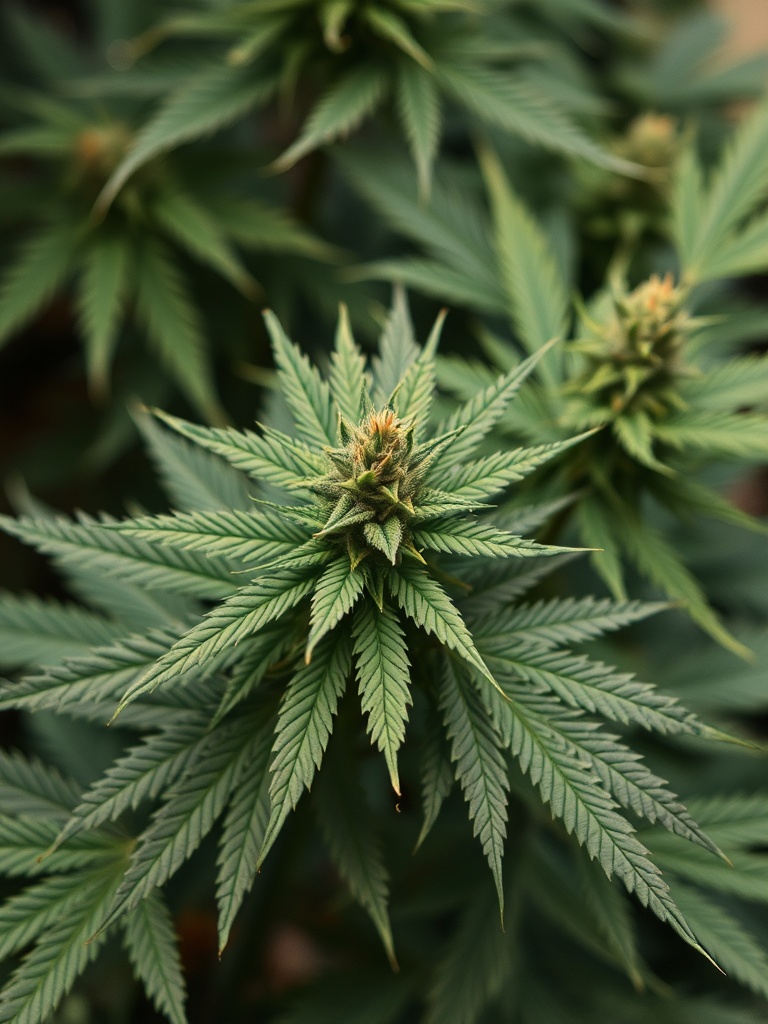
Today, consumers encounter a diverse ecosystem of flower, concentrates, edibles, beverages, topicals, and a widening palette of cannabinoids and terpenes. Understanding what’s changed and how to choose safely helps you get predictable effects and better value.
What’s new in products and science
Cannabinoid diversity is driving innovation. While THC and CBD remain the most recognized compounds, molecules like CBG, CBN, and various minor cannabinoids are showing up in formulations aimed at targeted effects. Terpene profiling—highlighting citrusy limonene, pinene, myrcene, and others—has become a popular way to describe aroma, mouthfeel, and potential synergistic effects.
Product formats are expanding beyond traditional options. Cannabis beverages and “fast-acting” edibles using technologies designed for quicker onset are gaining traction. Microdosed products — low-dose gummies, tinctures, and pre-rolls — appeal to consumers seeking subtle, functional experiences rather than strong intoxication.
Regulation and safety: what to check
Legal frameworks vary widely by location, so start by knowing local rules for purchase, possession, and transport.
Regardless of legality, lab testing is a cornerstone of safety.
Reliable products carry certificates of analysis (COAs) that document cannabinoid potency, residual solvents, pesticides, heavy metals, and microbial contaminants. Look for COAs from accredited labs and avoid products without transparent testing.
For edible and beverage consumers, accurate labeling and consistent dosing are crucial. Start with a low dose and allow ample time for effects to onset—especially with infused foods and drinks where absorption can be delayed.
Keep products away from children and pets, and store them in child-resistant containers.
Consumption strategies and harm reduction
“Start low, go slow” remains the safest approach. For newcomers, microdoses—often 1–2.5 mg of THC—are a gentle way to learn personal tolerance. Experienced consumers considering higher doses should account for product tolerance, metabolic differences, and combined use with alcohol or prescription medications. If managing health conditions or taking medications, consult a healthcare professional familiar with cannabis to avoid adverse interactions.
Vaping and smoking carry respiratory risks; choosing tested concentrates and practicing moderation reduces exposure to harmful additives. For those seeking non-intoxicating options, topical products and CBD-dominant formulations can provide symptom relief without psychoactive effects, though efficacy varies and high-quality evidence is limited.
Home cultivation and sustainability
Home growing appeals to people who want control over genetics, cultivation methods, and sustainability. Ethical growers emphasize soil health, organic nutrients, and water conservation. When cultivating, be mindful of local laws, energy use, and odor control. For small-scale growers, LED lighting and integrated pest management help reduce environmental footprint.
Choosing products and brands
Prioritize transparency: brands that provide COAs, detailed ingredient lists, and clear dosing guidance demonstrate quality. Consider terpene profiles and cannabinoid ratios to match desired effects—uplift, relaxation, focus, or sleep support. Read customer reviews and, when possible, buy small quantities to test personal response before committing to larger purchases.
Final notes
Cannabis today is more varied and sophisticated than ever. By focusing on lab-tested products, mindful dosing, and informed brand choices, consumers can navigate options safely and enjoy more consistent, intentional experiences. Regularly review local regulations and consult healthcare professionals when using cannabis for health-related purposes.