Marijuana has moved from fringe culture to mainstream conversation, touching medicine, commerce, and everyday wellness. Whether someone is curious about therapeutic uses, exploring products at a dispensary, or weighing safety and legality, a practical, evidence-focused approach helps make informed choices.
How people consume cannabis
– Smoking: Fast onset and easy dose control, but combustion produces irritants that can affect lungs. Consider clean-burning papers and avoid deep inhalation.
– Vaping: Offers a smoke-free alternative with near-instant effects when using tested, high-quality devices.
Be cautious of unregulated cartridges and additives.
– Edibles: Popular for discretion and long-lasting effects. Onset is delayed and dose can be unpredictable—start with a low dose and wait before consuming more.
– Tinctures and sublinguals: Liquid extracts placed under the tongue provide quicker onset than edibles and allow finer dose control.
– Topicals: Creams and balms are used for localized relief without systemic intoxication in many users.
– Concentrates: High-potency extracts used by experienced consumers; these require careful handling and precise dosing.
Dosing and safety tips
– Start low and go slow: For inexperienced users, beginning with a small THC dose—often a few milligrams—and waiting to assess effects reduces the chance of unpleasant overconsumption.
– Edibles require patience: Expect onset anywhere from half an hour to two hours and effects that last much longer than inhaled forms.
– Know your tolerance: Regular use raises tolerance and may change effective dose. Take periodic breaks if needed.
– Mixes to avoid: Combining alcohol with cannabis commonly increases impairment. Be mindful of interactions with prescription medications; talk with a clinician before use.
– Impairment: Cannabis affects reaction time and judgment. Avoid driving or operating heavy machinery while impaired.
Medical considerations and evidence
Cannabis and cannabinoids show benefits for several indications—pain management, nausea control, spasticity, and certain seizure disorders—though results vary by condition, product, and individual. CBD-dominant products attract attention for their non-intoxicating profile, while THC often contributes to symptom relief but also to psychoactive effects.
Consult a healthcare provider about potential benefits, side effects, and drug interactions.
Product quality and lab testing
Purchasing from licensed retailers increases the likelihood of lab-tested products that list potency, cannabinoid profile, and contaminant screens. Look for certificates of analysis (COAs) and transparent product labeling.
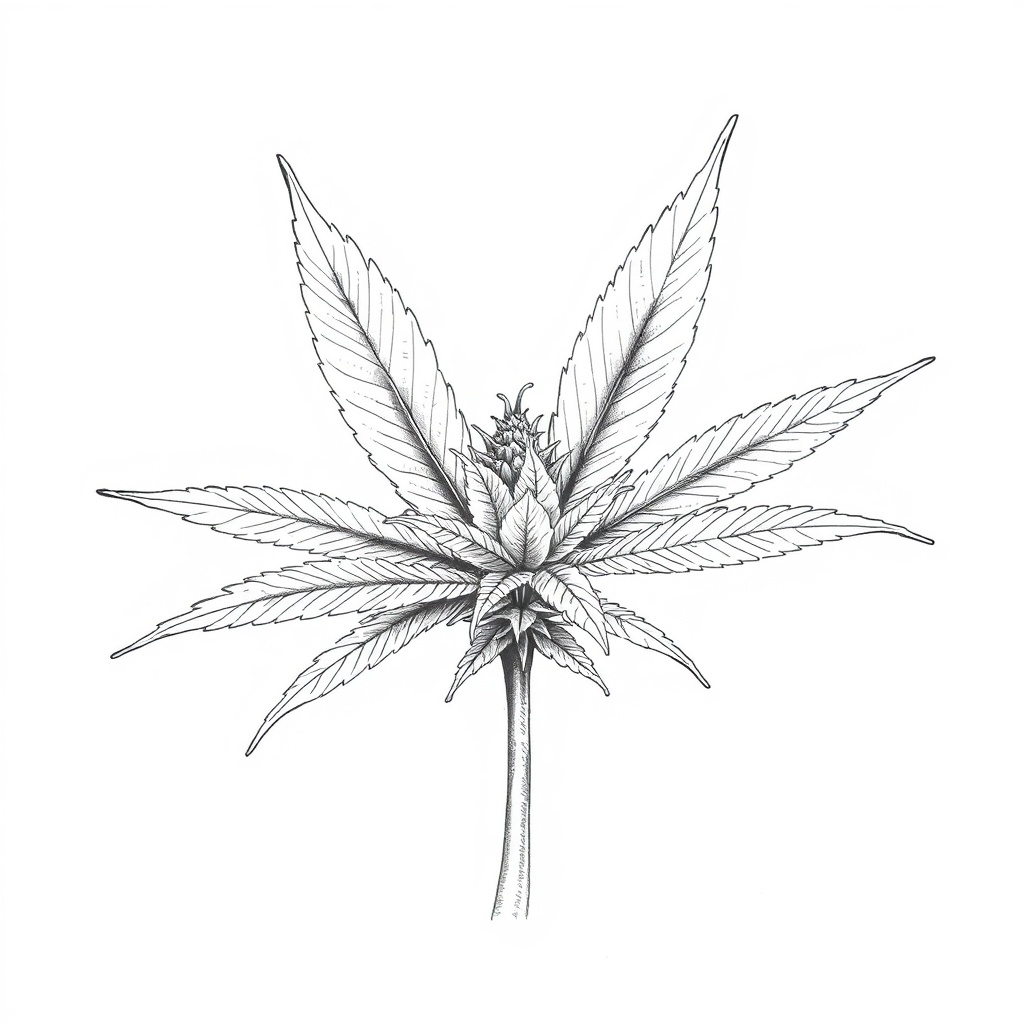
Avoid products without lab verification.
Legal and practical guidance
Laws differ across regions; check local regulations for possession limits, allowed forms, and public use restrictions.
When traveling, remember cannabis legality varies widely and transporting across borders can carry legal risk. Store cannabis securely out of reach of children and pets; many products are attractive to animals and can cause serious harm.
Terpenes and consumer experience
Terpenes—aromatic compounds such as myrcene, limonene, and linalool—contribute to scent and may influence subjective effects. Rather than focusing solely on strain names, review cannabinoid content and terpene profiles to find products that match desired effects.
Final practical checklist
– Buy tested products from licensed sources
– Start with a low dose and wait before increasing
– Avoid mixing with alcohol or unknown meds
– Never drive while impaired
– Store safely and legally
Approaching marijuana with clear information and caution helps maximize benefits while minimizing risks.
When in doubt, seek guidance from a knowledgeable healthcare professional or a licensed dispensary staffer.