Microdosing Cannabis: A Practical Guide to Subtle, Purposeful Use
Interest in microdosing cannabis has grown as more people seek controlled, functional experiences rather than full intoxicating effects. Microdosing means taking very small amounts of cannabis to achieve subtle benefits—like improved mood, focus, or sleep—without significant impairment. This approach can fit into a productive day and is adaptable across consumption methods.
What microdosing looks like
– Typical microdoses aim for a low milligram range of THC per dose. Many users find effects at subtle THC levels, while others prefer CBD-dominant ratios to avoid intoxication.
– The main goal is consistency and predictability: small, repeatable doses that produce gentle changes rather than strong psychoactive effects.
Potential benefits people report
– Enhanced mood and reduced stress without clouded thinking
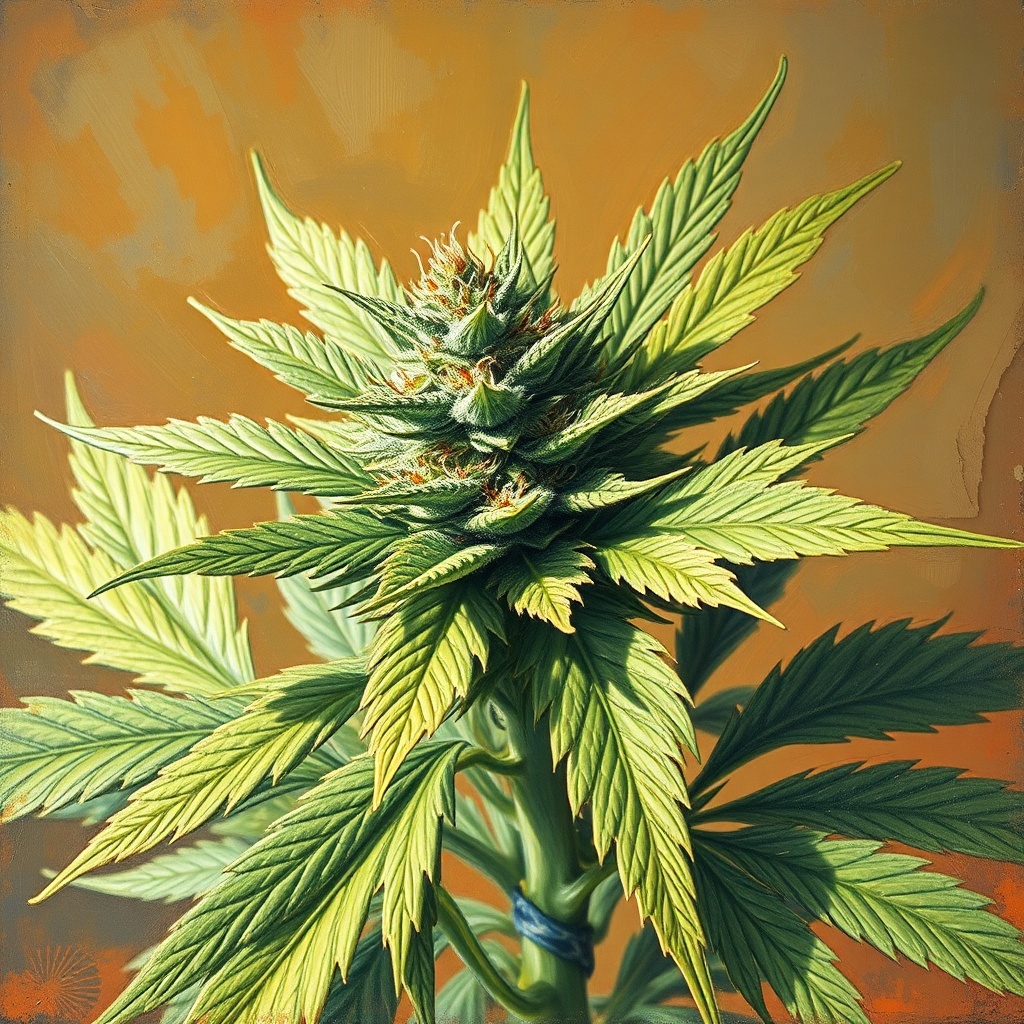
– Better focus and creativity for some individuals
– Improved sleep onset or more restful sleep when used near bedtime
– Reduced social anxiety in mild cases
Methods that work best for microdosing
– Tinctures and sublingual drops: Offer precise measurement and fast onset compared with edibles. Start with a small fraction of a dropper and wait to assess effects.
– Low-dose edibles and lozenges: Provide discreet, longer-lasting effects but take longer to onset. Break products into smaller portions when possible.
– Vaporizers with temperature control: Allow quick feedback and easy titration; inhaled doses act quickly and wear off sooner than edibles.
– Pre-portioned low-dose products: Many makers now offer 1–2 mg THC items designed for microdosing, including gummies and capsules.
– Smoking small amounts is less precise but can work if done cautiously and with a consistent technique.
How to microdose safely and effectively
– Start low and go slow: Begin with a very small amount, wait at least 90 minutes when using edibles or 15–30 minutes for inhalation to judge effects, and adjust gradually.
– Keep a simple journal: Note product, dose, time, and effects so you can identify optimal amounts and timing.
– Consider cannabinoid ratios: Adding CBD can mellow THC’s effects for some people. Find the balance that suits your goals.
– Use consistent products: Different cultivars, manufacturers, and delivery systems vary widely.
Stick with one product while you learn your response.
– Time your doses: For daytime focus, try a small dose in the morning or before a task.
For sleep support, dose closer to bedtime with a delivery method that lasts longer if needed.
Safety and precautions
– Legal status varies by location; follow local laws and regulations.
– Avoid microdosing if you are pregnant, breastfeeding, or have a personal or family history of psychosis.
People with certain mental health conditions should consult a healthcare professional before using cannabis.
– Be mindful of drug interactions. Cannabis can interact with prescription medications, particularly those metabolized by the liver. Ask a clinician or pharmacist whether there could be interactions.
– Don’t operate vehicles or heavy machinery after dosing until you know how you respond.
– Start microdosing only when you can relax and evaluate effects without external pressure.
Storage and product selection
– Store products in a cool, dark place in airtight containers to preserve potency and terpenes.
– Choose products from reputable sources that provide lab testing for cannabinoid content, purity, and contaminants.
Microdosing cannabis is about intention and precision. With careful experimentation, record-keeping, and attention to safety, many people find gentle, useful ways to integrate cannabis into daily life without significant intoxication. When in doubt, seek guidance from a knowledgeable healthcare professional familiar with cannabinoid therapy.