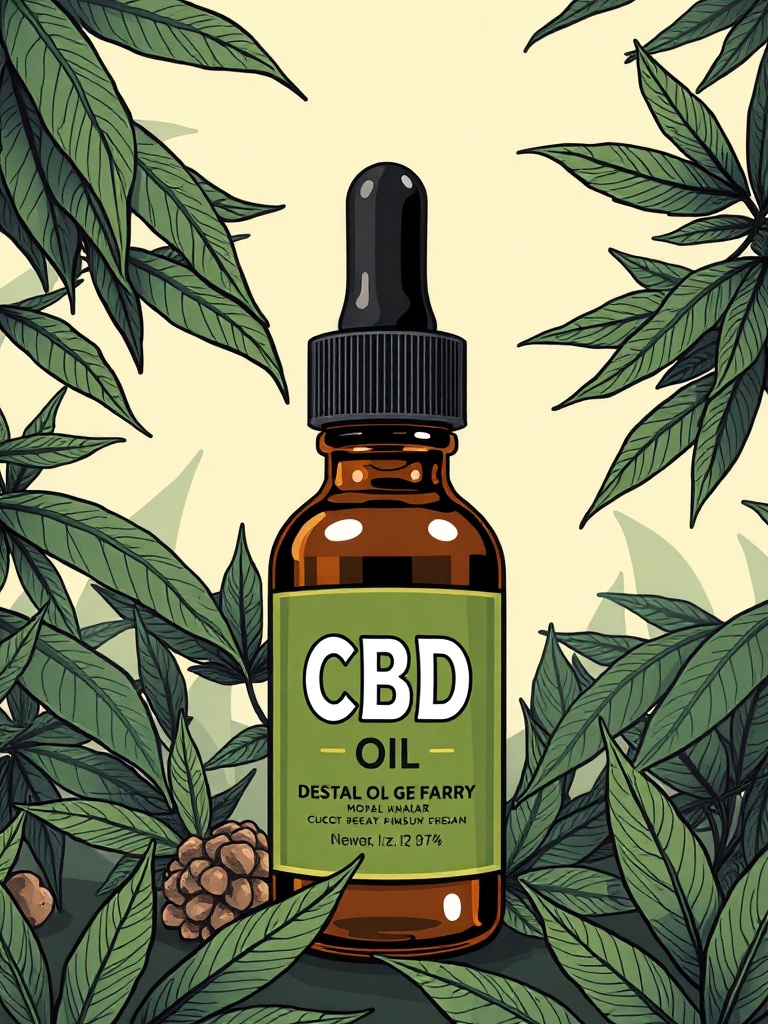
Interest in CBD oil continues to grow as people seek alternatives for sleep, stress, pain, and overall wellness. Understanding what CBD oil is, how it works, and how to choose a safe, effective product helps you make confident decisions and avoid common pitfalls.
What CBD oil is and how it works
CBD (cannabidiol) is a non-intoxicating compound found in hemp and cannabis plants.
It interacts indirectly with the body’s endocannabinoid system, a network involved in regulating mood, sleep, appetite, and immune response. Unlike THC, CBD does not produce a “high,” which is why many people prefer it for everyday support.
Types of CBD products
– Full-spectrum: Contains CBD plus trace cannabinoids, terpenes, and minimal THC. Often promoted for the “entourage effect,” where compounds may work synergistically.
– Broad-spectrum: Includes CBD and other plant compounds but no detectable THC.
– Isolate: Pure CBD with no other cannabinoids or terpenes. Best for those who want to avoid any THC.
Extraction and purity
Supercritical CO2 extraction is considered the gold standard because it yields a clean, solvent-free extract while preserving cannabinoids and terpenes. Avoid products that don’t disclose extraction methods or list vague terms like “hemp extract” without lab data.
How to choose a quality product
Look for transparency and verifiable testing:
– Third-party lab reports (Certificates of Analysis, COAs) should confirm CBD potency and screen for pesticides, heavy metals, solvents, and microbial contaminants.
– Source of hemp: Farms that disclose growing practices and country of origin typically offer greater consistency.
– Clear labeling: Check CBD content per serving, recommended serving size, and full ingredient list.
– Manufacturing standards: Brands that follow Good Manufacturing Practices (GMP) or use reputable contract manufacturers are preferable.
Dosing and usage tips
There’s no universal dose that fits everyone. Start with a low amount and increase gradually while tracking effects. Many users begin with a small sublingual dose and adjust over days or weeks to find the minimum effective dose.
Consumption methods influence onset and duration: sublingual tinctures act faster than capsules, while edibles and capsules produce longer-lasting effects. Topicals can be useful for localized relief.
Safety and interactions
CBD is generally well tolerated, but some people experience dry mouth, drowsiness, or changes in appetite. Crucially, CBD can interact with medications metabolized by cytochrome P450 enzymes (common in many prescription drugs). Consult a healthcare professional before using CBD if you take prescription medications, especially blood thinners or drugs with narrow therapeutic windows.
Legal and regulatory considerations
Legal status varies by jurisdiction and product type. Hemp-derived CBD is widely available where hemp cultivation and sale are permitted, but rules differ about concentration limits and labeling. Always check local laws before purchasing or carrying CBD products across borders.
Practical storage and use
Store CBD oil in a cool, dark place with the cap tightly sealed. Heat, light, and oxygen can degrade cannabinoids over time.
Keep products out of reach of children and pets, and use dropper-measured doses for accuracy.
Smart buying habits
Prioritize brands that provide COAs, clear ingredient lists, transparent sourcing, and customer support. Avoid bargain products with exaggerated claims or no lab data. Track how a product affects you over a few weeks and be prepared to try a different spectrum or dose if results are not as expected.
CBD oil can be a useful part of a wellness routine when chosen and used thoughtfully. Careful product selection, conservative dosing, and medical guidance where needed reduce risk and help you find safe, consistent results.