Marijuana: What Consumers Need to Know About Use, Safety, and Trends
Marijuana, often referred to as cannabis, is increasingly part of mainstream health, wellness, and recreational conversations. As laws and public perception shift, consumers need clear, practical information about how cannabis works, safe consumption, and what to watch for when choosing products.
How marijuana works
Cannabis contains dozens of cannabinoids, with THC and CBD the most familiar. THC produces the characteristic psychoactive effects — relaxation, altered perception, appetite changes — while CBD is non-intoxicating and is sought for its potential calming and anti-inflammatory properties. Cannabinoids act on the endocannabinoid system, a network of receptors that helps regulate mood, sleep, pain, and appetite.
Medical uses and evidence
Many people turn to cannabis for symptoms such as chronic pain, insomnia, anxiety, and nausea. Some medical evidence supports specific uses — for example, cannabinoid-based medicines can help with chemotherapy-related nausea and certain neuropathic pain conditions.
Research is ongoing, and responses vary by individual, formulation, and method of use. Always discuss cannabis use with a healthcare professional, especially if you are pregnant, breastfeeding, have a heart condition, or are taking other medications.
Popular consumption methods
– Smoking and vaping: Rapid onset makes it easier to titrate effects.
Vaping avoids combustion byproducts but requires careful product selection to avoid additives and contaminants.
– Edibles: Offer long-lasting effects with delayed onset; start with a low dose and allow ample time before consuming more.
– Tinctures and oils: Sublingual drops provide moderate onset and easier dosing control.
– Topicals: Applied to the skin for localized relief without intoxication.
Dosing and safety tips
“Start low and go slow” is a practical rule for new users. Begin with a conservative THC dose and wait long enough to judge effects before increasing. Edibles require particular caution due to delayed onset and stronger, longer-lasting effects. Be aware that combining cannabis with alcohol or sedatives amplifies impairment and risk.
Drug interactions and precautions
Cannabis can interact with other medications by affecting liver enzymes involved in drug metabolism. People taking blood thinners, certain anti-seizure drugs, or medications with narrow therapeutic windows should consult a clinician familiar with cannabinoid interactions. Avoid driving or operating heavy machinery while impaired; legal and workplace consequences can apply even when cannabis is used legally.
Choosing safe products
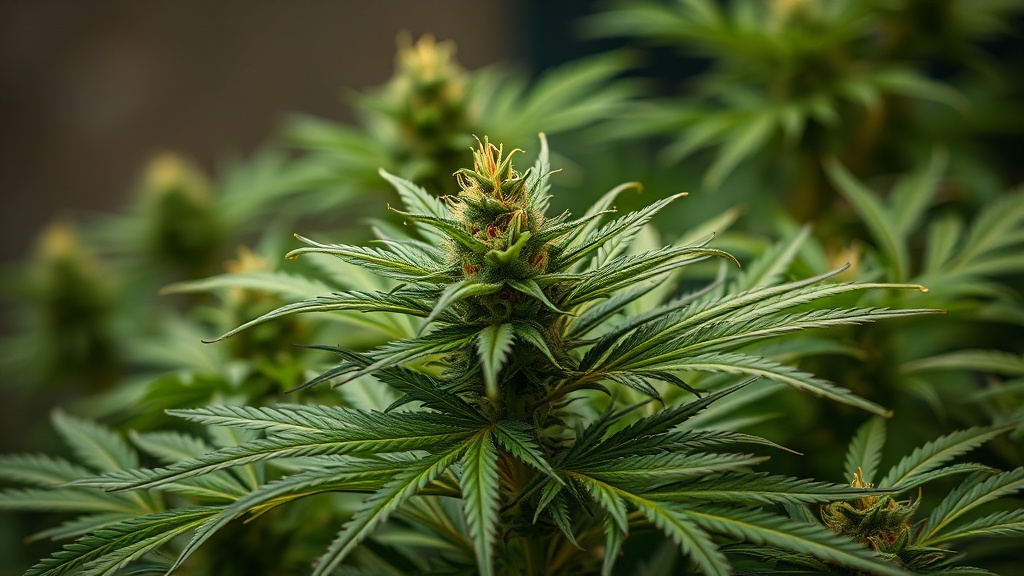
Buy from licensed retailers when possible to reduce risk of contaminants like pesticides, mold, or residual solvents. Look for lab test results that confirm cannabinoid potency and the absence of harmful substances. For edibles and concentrates, check ingredient lists and manufacturing practices. If growing at home, follow local regulations and avoid untested additives.
Storage and responsible use
Store cannabis products securely away from children and pets, ideally in child-resistant, opaque containers. Keep products in a cool, dry place to preserve potency and prevent mold growth.
Respect local laws and community norms when consuming; public use may be restricted.
Staying informed
Regulations, product innovation, and scientific understanding continue to evolve. Rely on reputable sources — peer-reviewed research, licensed healthcare providers, and regulated dispensary information — when making decisions about cannabis use. Prioritizing safety, accurate dosing, and quality control helps ensure a more positive experience for both medical and recreational users.