Marijuana: Practical Guidance for Safe, Savvy Use
Marijuana remains a topic of wide interest as policies, products, and consumer preferences evolve. Whether you’re curious about cannabinoids, choosing between flower and edibles, or aiming to use cannabis more safely, a few practical principles will improve your experience and reduce risk.
Understanding cannabinoids and potency
THC and CBD are the two cannabinoids most commonly talked about.
THC is responsible for psychoactive effects; CBD does not produce a high and is often used for its calming properties. Potency varies widely across products — some flower and concentrates can contain very high THC levels.
Look for clear labeling of THC and CBD content and consider starting with lower-potency options if you’re new or returning after a break. Terpene profiles, listed by reputable labs, can also influence aroma and subjective effects.
Choosing the right consumption method
– Smoking and vaping deliver effects quickly and are easier to dose in small increments.
– Edibles produce a delayed, longer-lasting high; onset can take an hour or more, and effects may last many hours.
– Tinctures and sublinguals offer a middle ground with faster onset than edibles but less lung exposure than smoking.
– Topicals are popular for localized relief without psychoactive effects.
Start low, go slow
A reliable rule is to start with a low dose and wait sufficiently long before taking more. For edibles, wait at least two hours before considering an additional dose. Microdosing — very small amounts of THC — can provide subtle effects while minimizing impairment and cognitive disruption.
Safety considerations
– Don’t drive or operate heavy machinery while under the influence. Cannabis impairs reaction time and decision-making.
– Keep products out of reach of children and pets; childproof packaging and secure storage are essential.
– Be aware of drug interactions. Cannabis can interact with prescription medications; consult a healthcare professional when mixing substances.
– If you experience severe anxiety, chest pain, or other concerning symptoms after use, seek medical attention.
Testing and quality assurance
Choose products that have been tested by independent labs for potency and contaminants such as pesticides, heavy metals, and residual solvents. Lab reports (COAs) should be accessible from licensed retailers.
Buying from regulated channels reduces the risk of contaminated products.
Legal and workplace considerations
Laws and workplace policies vary widely.
Even where use is permitted, employers may maintain drug-free workplace rules, and THC can be detectable in biological tests long after impairment has passed.
Understand local laws and your workplace policy before using.
Responsible consumption culture
Today’s cannabis market offers options that suit many lifestyles and needs. Favor moderation, informed choices, and respect for others in shared spaces. If you’re managing a health condition, discuss cannabis use with a knowledgeable clinician to align it safely with other treatments.
Top safety tips
– Read labels and check lab reports.
– Start with low doses; wait to judge effects.
– Store securely away from children and pets.
– Never drive while impaired.
– Consult a healthcare professional about interactions.
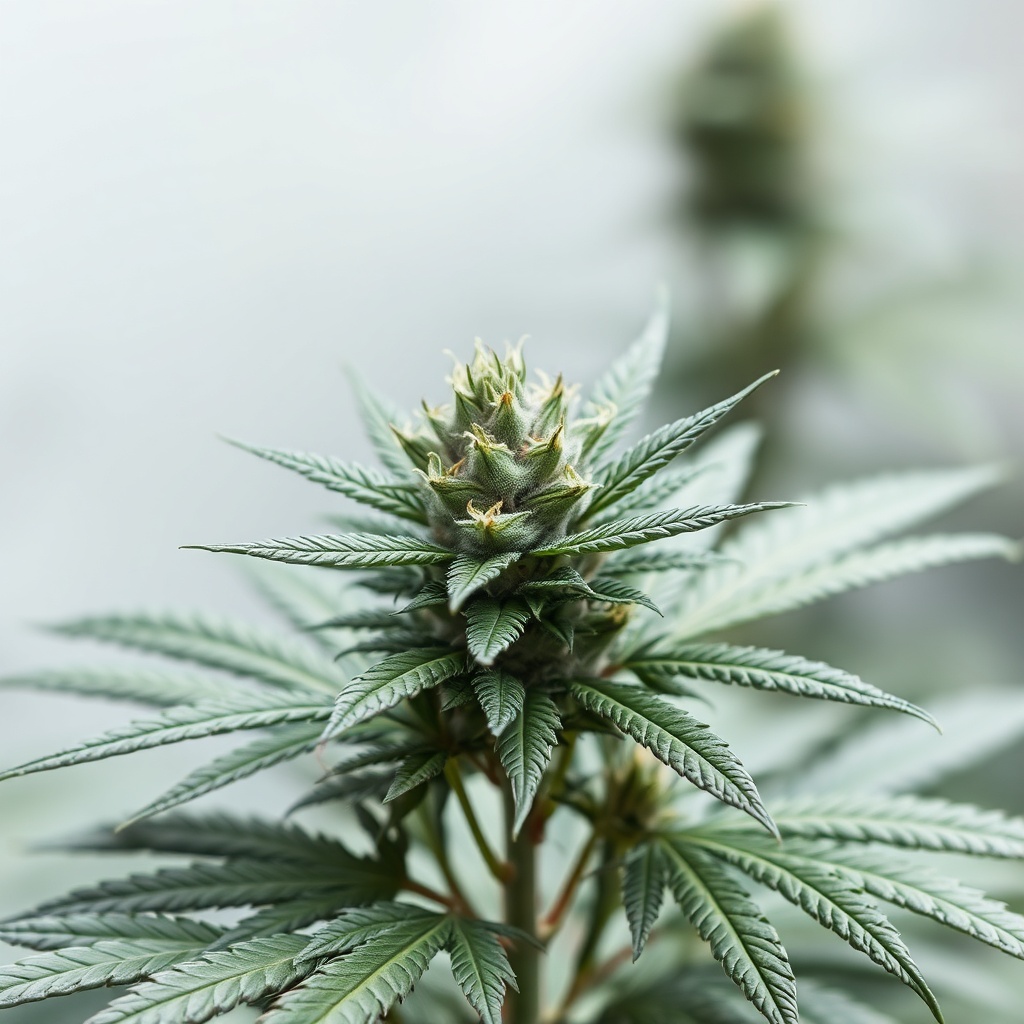
Approaching marijuana with information and caution helps maximize benefits while minimizing harms. Whether exploring cannabis for recreation or potential therapeutic relief, the best results come from thoughtful choices, reliable products, and responsible habits.