Marijuana: what to know now about use, safety, and the evolving marketplace
Marijuana (cannabis) continues to be a major topic for health, policy, and consumer markets. As more jurisdictions shift toward legal access, the plant is becoming both more available and more varied in form. Understanding potency, safety, and responsible use helps consumers make better choices and reduces unintended harms.
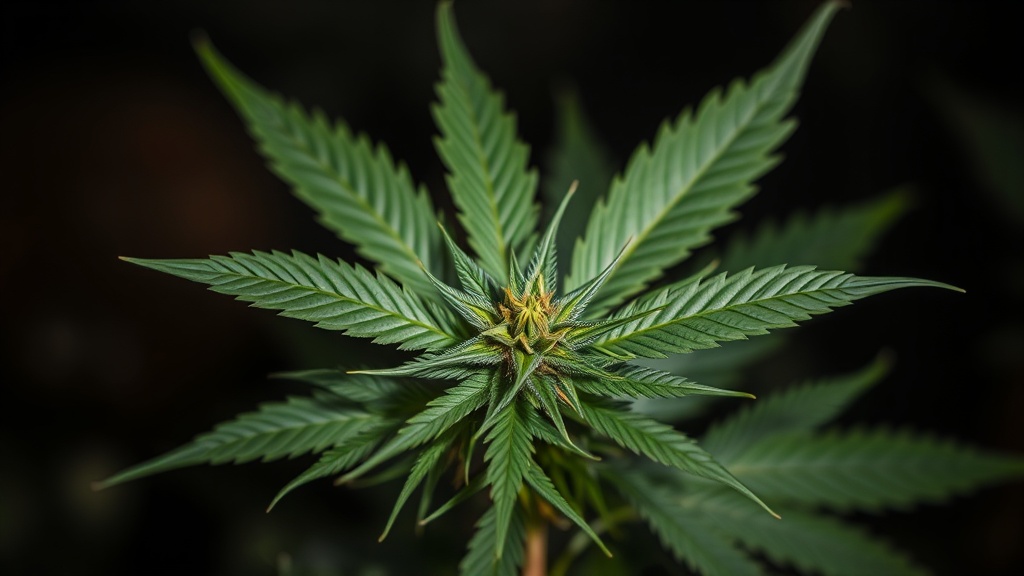
What’s in a plant
Cannabis contains hundreds of chemical compounds; the best-known are THC and CBD.
THC produces the psychoactive “high” and can impair coordination and judgment. CBD does not cause intoxication and is studied for potential benefits such as reducing certain types of seizures and easing anxiety or inflammation. Terpenes — aromatic molecules also found in many plants — influence flavor and may modulate effects alongside cannabinoids.
Medical uses and evidence
Cannabis is used for a range of symptoms, with the strongest evidence supporting relief of chronic pain, reduction of spasticity from neurological conditions, and control of nausea associated with some medical treatments. Specific CBD formulations have regulatory approval for certain seizure disorders.
Still, research continues into optimal dosing, formulations, and long-term effects.
Anyone considering cannabis for medical purposes should discuss it with a healthcare professional, especially if taking other medications or managing cardiovascular, psychiatric, or respiratory conditions.
Consumption methods and dosing
– Smoking and vaping deliver effects quickly; onset is rapid and easier to titrate.
– Edibles produce delayed effects and can be much stronger per serving; start with a low dose and wait at least two hours before increasing.
– Tinctures and sublinguals offer intermediate onset and easier dosing control.
– Topicals target localized discomfort and are unlikely to cause systemic intoxication.
Start low and go slow is the best general rule.
Microdosing — taking very small amounts to achieve mild effects without impairment — is popular among users seeking functional benefits while minimizing side effects.
Safety and harm reduction
– Avoid mixing cannabis with alcohol or other sedatives; combined effects can increase impairment.
– Do not drive or operate heavy machinery while impaired. Cannabis can slow reaction time and decision-making.
– Buy lab-tested products from reputable suppliers to avoid contaminants such as pesticides, heavy metals, or residual solvents. Vaping-related lung injury in the past was linked mainly to illicit or adulterated cartridges, underscoring the value of testing and clear product labeling.
– Keep all cannabis products locked away and out of reach of children and pets; accidental ingestion of edibles is a common harm.
– Be aware of potential drug interactions, particularly with blood thinners, antiepileptics, and certain antidepressants.
Marketplace and regulation
The legal and regulatory landscape remains complex in many areas, shaping everything from banking for businesses to product standards and packaging rules.
Consumers should look for clear labeling of THC/CBD content, batch-specific lab results, and child-resistant packaging. Sustainability and social-equity initiatives are increasingly prominent among producers, with growing demand for organic cultivation, waste reduction, and fair licensing policies.
Final thoughts
Cannabis offers potential benefits for both medical and recreational users, but safer outcomes depend on informed choices: choose tested products, understand dosing and routes of administration, consult a healthcare provider when needed, and follow harm-reduction practices. As the market and science continue to evolve, staying informed will help individuals navigate options responsibly.