CBD oil continues to draw attention as a natural option for people exploring wellness routines, symptom relief, and alternative approaches to everyday stressors.
With a rapidly maturing market, understanding what CBD oil is, how it works, and how to choose a safe product is essential.
What is CBD oil?
CBD (cannabidiol) is a non-intoxicating compound found in cannabis and hemp plants. CBD oil is typically made by extracting CBD from hemp, then diluting the extract in a carrier oil such as MCT, hemp seed, or olive oil. Unlike THC, CBD does not produce a “high,” though products can contain trace THC depending on the spectrum.
Types of CBD products
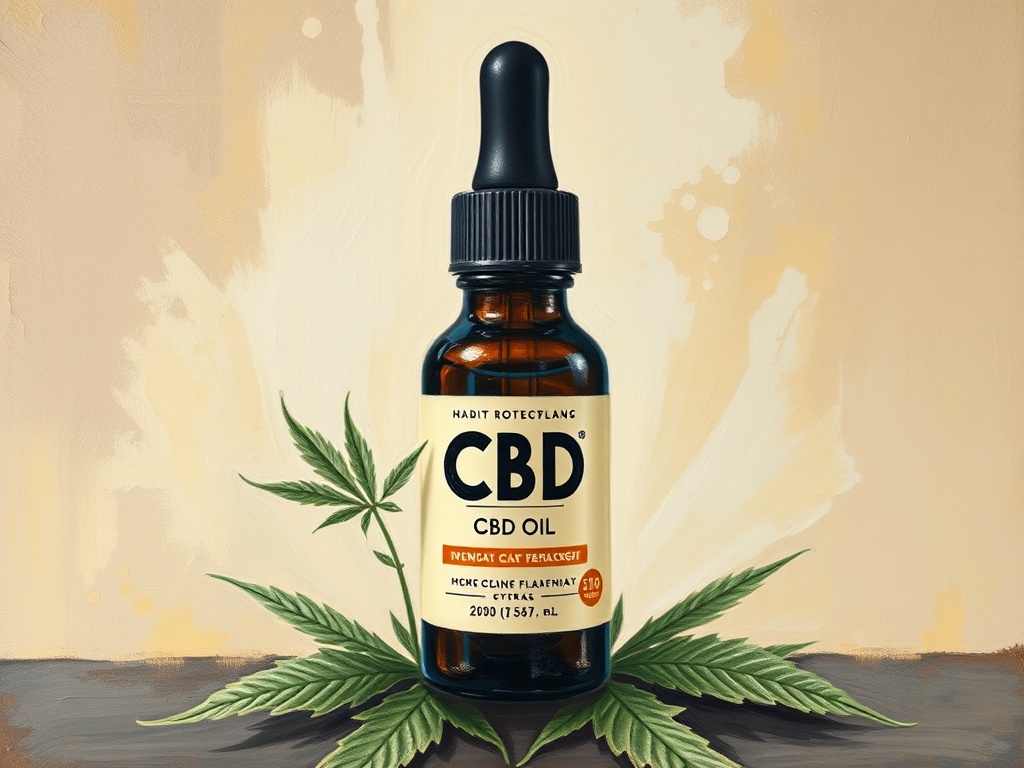
– Full-spectrum: Contains CBD plus other plant cannabinoids, terpenes, and trace amounts of THC. This may produce an “entourage effect,” where compounds work together.
– Broad-spectrum: Includes multiple cannabinoids and terpenes but is processed to remove THC.
– Isolate: Pure CBD with no other cannabinoids or terpenes.
How CBD may help
Research and user reports suggest CBD may support relaxation, sleep quality, and temporary reduction of minor discomfort.
The FDA has approved a prescription CBD medication for certain seizure disorders, demonstrating that pharmaceutical-grade CBD can have clinically recognized effects.
Still, for most uses on the wellness market, evidence varies by condition and product quality, so expectations should be realistic.
Ways to use CBD
– Sublingual tinctures: Drops held under the tongue for faster absorption and more controllable dosing.
– Capsules and edibles: Convenient, discreet, and offer longer-lasting effects but slower onset.
– Topicals: Creams, balms, and patches applied to the skin for localized effect; they generally do not enter the bloodstream.
– Vaping: Provides quick onset but carries respiratory risk; practice caution and choose reputable products.
Safety, side effects, and interactions
CBD is generally well tolerated, but side effects can include drowsiness, dry mouth, appetite changes, and gastrointestinal upset. CBD can affect liver enzymes and may interact with medications metabolized by the cytochrome P450 enzyme system, including blood thinners. Always consult a healthcare professional before starting CBD if you take prescription medications or have liver concerns.
Quality and transparency matter
Because the market is varied, product quality ranges widely. Look for:
– Third-party lab results (Certificates of Analysis or COAs) that confirm cannabinoid content and screen for contaminants like heavy metals, pesticides, and residual solvents.
– Clear labeling that lists CBD amount per serving.
– Preferred extraction methods (CO2 extraction is considered clean and efficient).
– Hemp source information and organic or sustainable farming practices when possible.
Legality and drug testing
Legal status varies by location.
In the U.S., hemp-derived CBD products are subject to federal limits on THC content (commonly cited as 0.3% THC), but state regulations and enforcement differ. CBD products may cause a positive result on workplace drug tests if they contain enough THC, so choose products with verified THC-free or low-THC COAs if testing is a concern.
Choosing the right product
Start with a low dose and increase slowly while monitoring effects.
Prioritize reputable brands with transparent testing, clear dosage guidance, and responsible sourcing. Discuss CBD with a healthcare provider to align it safely with your wellness goals and medications.
With careful selection and responsible use, CBD oil can be a practical option within a broader health plan — but quality, dosing, and medical oversight are key to a positive experience.