THC basics: what it does and why it matters
THC (tetrahydrocannabinol) is the primary compound in cannabis responsible for its psychoactive effects.
It binds to brain and nervous system receptors in the endocannabinoid system, producing changes in mood, perception, appetite, and pain signaling.
Different forms of THC — most commonly delta-9, but also delta-8, delta-10, and THCa — vary in potency and effect, so understanding the type you’re consuming matters.
How people use THC today
Consumption methods influence onset, intensity, and duration. Smoking or vaporizing delivers rapid effects that peak quickly and fade within a few hours.
Edibles take longer to kick in but often produce stronger and longer-lasting effects because THC is metabolized differently in the liver. Tinctures and sublingual sprays offer an intermediate option, while topicals may provide localized relief without strong psychoactive effects. Popular trends include microdosing for symptom management and precisely dosed products that help users control their experience.
Safe dosing and harm reduction
Start low and go slow: begin with a small amount, especially with edibles where effects can be delayed by an hour or more.
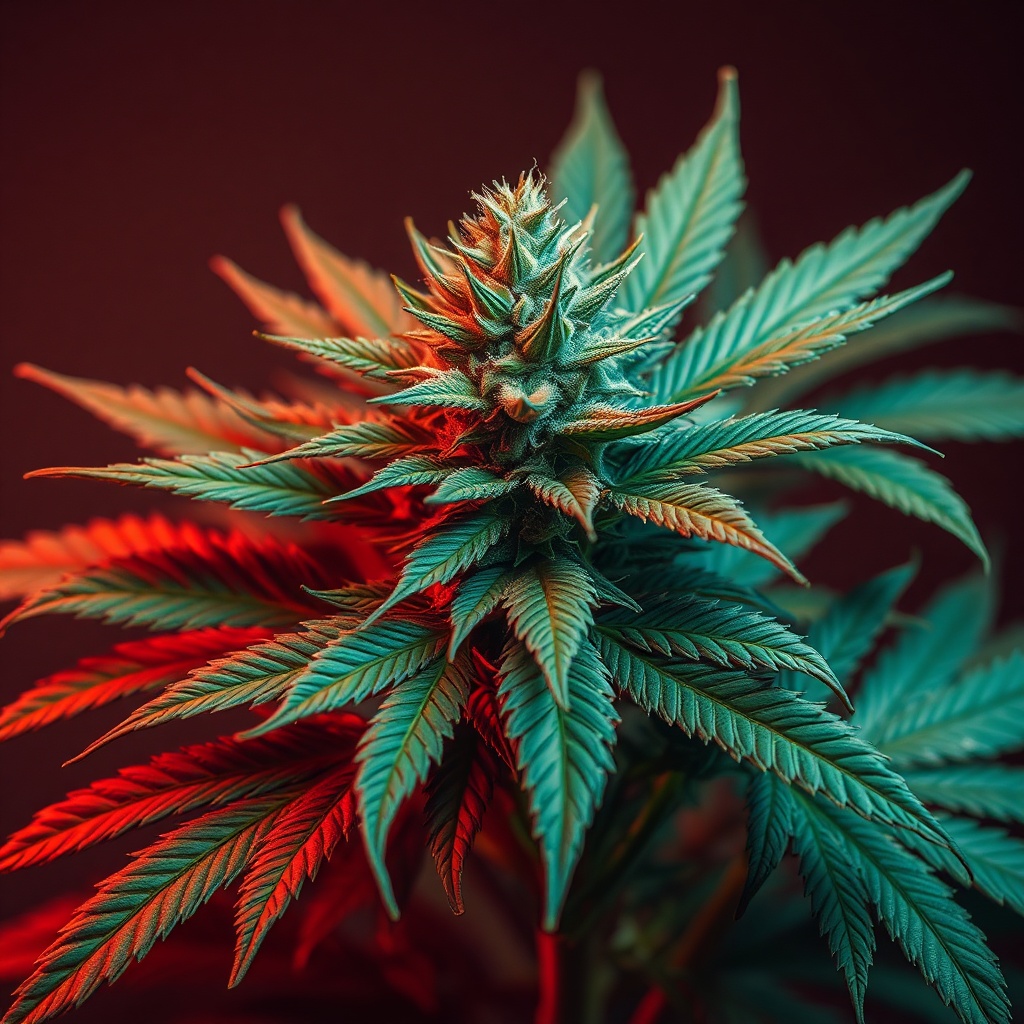
Microdosing — typically under a few milligrams of THC per dose — can provide therapeutic benefits without heavy intoxication. Avoid mixing THC with alcohol or sedatives, and never drive or operate machinery while impaired.
People with a personal or family history of psychosis, pregnant or breastfeeding individuals, and adolescents should avoid THC or consult a healthcare provider before use.
Quality, testing, and labeling
Product labeling can be inconsistent. Look for third-party certificates of analysis (COAs) that confirm potency and screen for contaminants such as pesticides, heavy metals, and residual solvents. Reliable producers will provide transparent lab results and clear dosing guidance. Proper storage — cool, dark, and airtight — preserves potency and keeps products away from children and pets.
Legal and regulatory landscape
Regulations vary widely by location and by the type of THC product.
Some jurisdictions allow adult-use or medical cannabis with strict rules, while others limit or prohibit THC entirely. Hemp-derived products containing only trace amounts of delta-9 THC are treated differently under certain regulations, but rules and enforcement can change. Check local laws and remember that legality doesn’t replace quality and safety considerations.
Health considerations and interactions
THC produces beneficial effects for many people, such as pain relief, appetite stimulation, and reduced nausea.
However, it can also cause anxiety, impaired memory and coordination, and increased heart rate in some users. THC is metabolized by liver enzymes that interact with many prescription medications; consult a healthcare professional if you take other drugs. Chronic heavy use can lead to tolerance and, in some cases, cannabis use disorder.
What to watch for
Be cautious with novel or synthetic cannabinoids marketed as “legal highs”; these can carry unpredictable and serious health risks. Favor products with transparent testing, clear ingredient lists, and established reputations.
If adverse effects occur, seek medical advice and, for acute severe reactions, prompt emergency care.
Practical tips
– Start with low doses and wait before redosing, especially with edibles.
– Store products securely and out of reach of children and pets.
– Choose products with third-party testing and clear labeling.
– Avoid mixing THC with alcohol or sedatives.
– Check local regulations before purchasing or possessing THC products.
Understanding THC’s effects, risks, and safe practices helps users make informed choices.
Whether using for wellness or recreation, prioritize quality, dosing control, and legal compliance to reduce harms and improve outcomes.