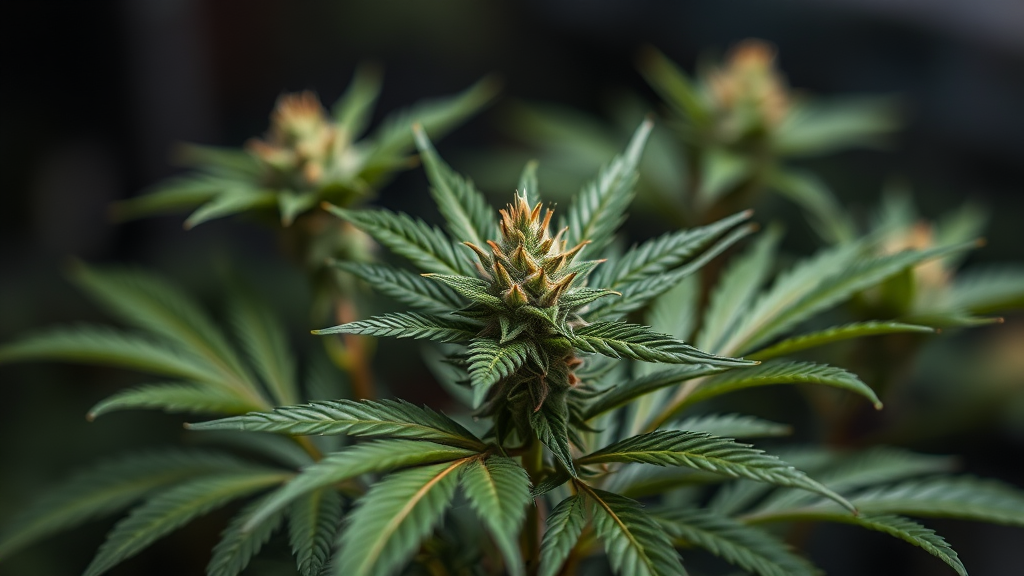
Cannabis, popularly known as marijuana, has sparked a lot of interest and controversy over the years, largely thanks to one of its vital compounds – Tetrahydrocannabinol, or THC for short. Many people are familiar with cannabis for its psychoactive effects, but what most people don’t know is that these effects are primarily due to THC.
THC belongs to a class of organic compounds known as cannabinoids. Cannabis plants produce over a hundred different cannabinoids, but THC is the most abundant, making up to 30% of the plant’s total cannabinoid content. This gives THC a significant impact on the overall effects of cannabis consumption.
The primary reason why THC has been in the spotlight recently is because of its psychoactive properties. When consumed, THC interacts with the body’s endocannabinoid system (ECS), specifically binding to the CB1 (cannabinoid receptor type 1) receptors in the brain. This interaction alters regular brain function, leading to several effects including euphoria, altered senses, changes in mood, and heightened appetite.
Interestingly, the body naturally produces its own cannabinoids, known as endocannabinoids. These substances are part of the ECS, which regulates a multitude of physiological processes, including pain, mood, appetite, and sleep. THC’s ability to bind with CB1 receptors is due to its molecular similarity to anandamide, an endocannabinoid that plays a role in creating feelings of bliss and happiness.
While THC is acclaimed for its psychoactive effects, it’s important to highlight the medicinal potential of this cannabinoid. For instance, research has demonstrated that THC can help manage conditions such as chronic pain, nausea, and multiple sclerosis. Additionally, it has been shown to stimulate appetite, making it potentially useful for people undergoing treatments like chemotherapy, which often suppress appetite.
Despite these potential benefits, THC is not without its risks. Consuming high doses of THC, or using it for prolonged periods, can lead to adverse effects. These include anxiety, paranoia, and even hallucinations. Additionally, it can lead to dependency and withdrawal symptoms in some individuals.
Today, the legal status of THC varies from region to region. It remains illegal under federal law in some countries, while others allow its use for recreational or medicinal purposes.
This regulatory landscape imposes a challenge for scientists wishing to explore THC’s full medical potential.
Nevertheless, the debate about THC is opening up new avenues in the field of cannabinoid research. With ongoing studies, our understanding of THC’s benefits and risks continues to evolve, shaping the future of cannabis consumption.
While it’s clear THC has significant effects, both beneficial and potentially harmful, it’s crucial to remember that every individual’s experience with this compound is unique.
The effects can vary widely based on factors such as individual physiology, the method of consumption, and the dose. Therefore, anyone considering using THC, particularly for medicinal purposes, should do so under the guidance of a healthcare professional.
Ultimately, the complexity and potential of THC make it a compelling subject for continual study. As we strive to understand this intriguing compound more fully, it is certain to remain at the forefront of conversations about cannabis, pushing the boundaries of our understanding and challenging our preconceptions along the way.