In our world today, the use of marijuana for both medical and recreational purposes has witnessed significant increase. More than ever, the conversation around the efficacy of this perennial plant in healthcare is taking center stage. As scientific research continues to unfold the mysteries and potential benefits of marijuana, it’s pertinent we delve into these findings and truly understand the therapeutic potential of marijuana in healthcare.
Marijuana, also referred to as cannabis, has been utilized for medicinal purposes by various cultures for centuries. Recently, a growing body of scientific studies has shed light on how marijuana might be beneficial in treating a plethora of conditions and diseases. These include chronic pain, epilepsy, muscle spasticity, anorexia, and mental health disorders like post-traumatic stress disorder (PTSD) and anxiety.
The therapeutic properties of marijuana can be attributed to the presence of cannabinoids, which are chemical compounds that interact with the body’s endocannabinoid system. The system plays a crucial role in regulating various physiological processes such as pain sensation, appetite, mood, and memory. The most well-known cannabinoids are tetrahydrocannabinol (THC) and cannabidiol (CBD).
THC is primarily responsible for the psychoactive effects or the “high” associated with marijuana consumption. Conversely, CBD lacks these psychoactive effects but has gained considerable attention for its potential therapeutic benefits.
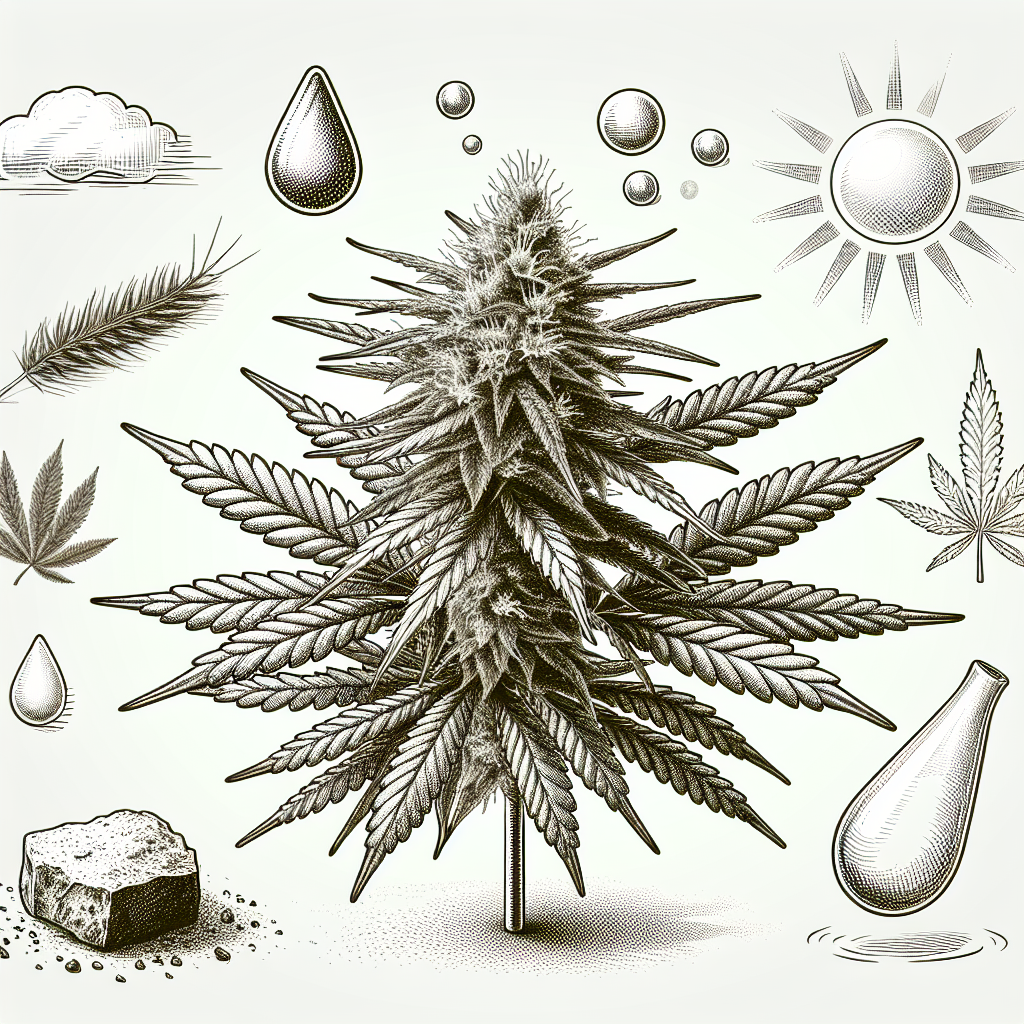
CBD has been recently making waves in the healthcare sector due to its potential in treating hard-to-manage ailments. It is currently being utilized to manage pain, inflammation, and epileptic seizures. Ongoing research suggests that CBD might also have anti-anxiety, anti-depressant, and neuroprotective properties.
Despite these potential benefits, it’s essential to note that the use of marijuana in healthcare is not devoid of controversy. One of the primary concerns is the long-term effects of its use, which are still not entirely understood. Moreover, the psychoactive effects of THC can lead to dependency and mental health issues if misused.
Furthermore, not all regions or states have laws that permit the use of medical marijuana. This presents a legal hurdle for patients who might benefit from its therapeutic properties but live in regions where its use is not endorsed. Additionally, the lack of standard dosage and administration guidelines poses a challenge in prescribing marijuana for medical purposes.
Interestingly, the booming cannabis industry is not only confined to healthcare. It’s making its mark in other sectors too, such as beauty and wellness. Topical creams, lotions, and oils infused with CBD are touted for their potential antioxidant and anti-inflammatory properties. Some proponents even suggest that CBD can help with skin conditions like acne, psoriasis, and eczema.
In light of these findings, it’s evident that the therapeutic potential of marijuana is vast. While there’s a need for more comprehensive studies to understand the long-term effects fully, the existing research provides us with a promising outlook. The future of marijuana in healthcare looks even brighter as ongoing research continues to unravel its potential benefits and its role in revolutionizing the healthcare industry.