Unlocking the Potential of THC: A Comprehensive Overview
Recently, there has been a significant shift in public opinion towards the use of THC, the primary psychoactive compound found in the cannabis plant. As laws evolve and medical research expands, it’s important that we understand THC in all its complexity, from its impact on the human body to potential therapeutic uses.
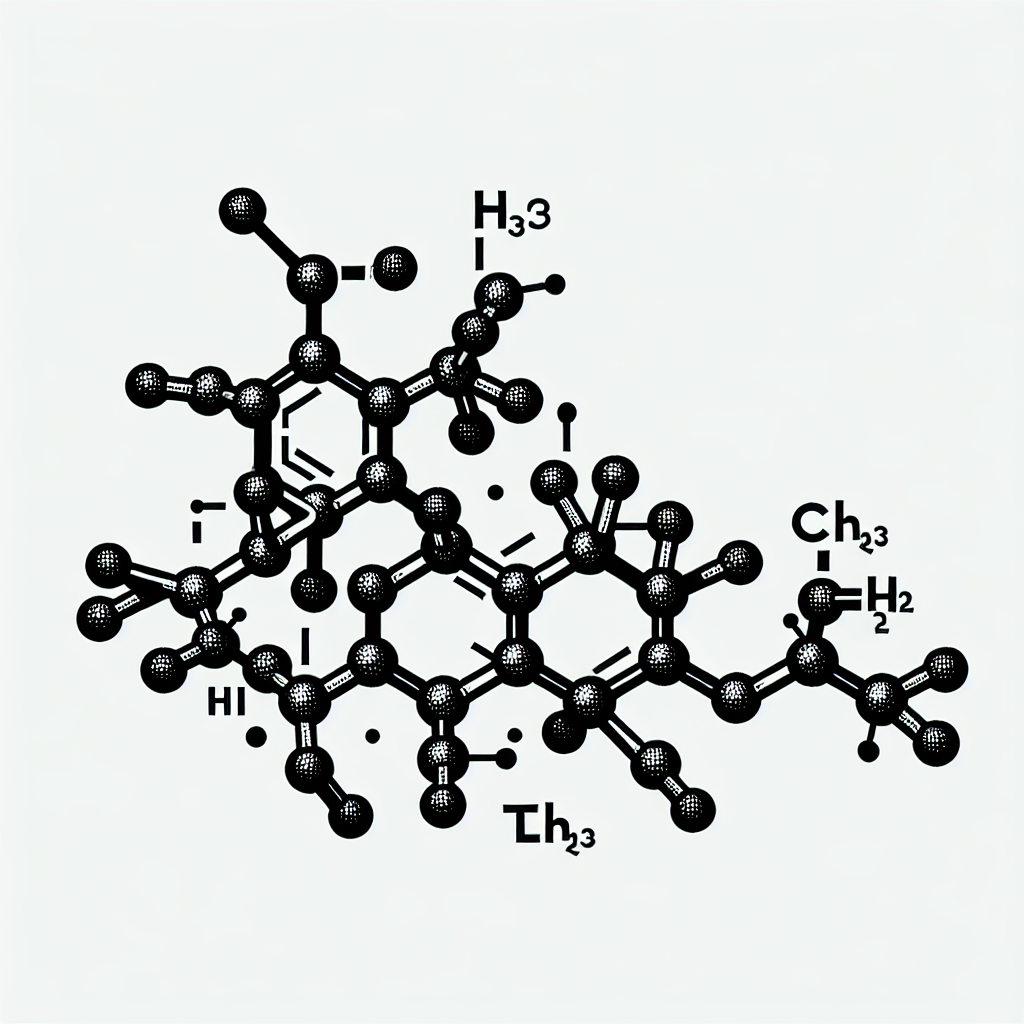
One of the most groundbreaking revelations about THC is its ability to interact with the human body’s endocannabinoid system.
This intricate network of neurotransmitters and receptors plays a crucial role in maintaining physiological balance, or homeostasis. It controls functions such as mood, appetite, sleep, and pain perception.
THC’s close chemical resemblance to the endocannabinoids produced in our bodies allows it to bind to cannabinoid receptors, particularly the CB1 type found predominantly in the brain and central nervous system. This interaction triggers the release of dopamine, the ‘feel-good’ neurotransmitter, resulting in the euphoric sensation often associated with cannabis use.
However, THC’s influence is not limited to creating a pleasurable high. Research has hinted at a range of potential therapeutic uses. For instance, THC has been closely linked to pain management. It’s believed to alter the pain signals traveling to the brain, thus reducing discomfort for individuals living with chronic conditions such as arthritis and fibromyalgia.
Additionally, THC has been reported to stimulate appetite, which could be beneficial for patients undergoing treatments that often lead to loss of appetite, like chemotherapy. Some studies also suggest that THC may help manage symptoms of certain neurological disorders, including multiple sclerosis and Parkinson’s disease, though more research is needed to fully understand these potential benefits.
Despite these potential health benefits, it’s imperative to mention that THC is not without its risks. Long-term use can lead to dependency, and some individuals may experience adverse effects such as increased heart rate, dry mouth, and short-term memory impairment. It’s also important to note that THC’s effects can vary greatly from person to person, influenced by factors including dosage, tolerance, and method of consumption.
Today, you’ll find THC not just in the traditional smoked form of cannabis, but also in a variety of other products, from edibles and tinctures to topical creams and oils. This broad range of options allows for more controlled and personalized use, meeting the diverse needs and preferences of consumers.
As our understanding of THC continues to grow, so do its potential applications.
While the compound has been known and used for centuries, it’s only recently that we have started to unlock its true potential. With continued research and more nuanced legislation, the future is likely to hold even more discoveries about THC’s intricate relationship with our bodies and brains.
Bear in mind that the laws surrounding THC use can vary considerably, so it’s vital to be aware of the regulations in your area. Always consult a healthcare professional before starting or changing any treatment involving THC.