Cannabis has shifted from a fringe topic to mainstream conversation, and many people are exploring its uses, products, and safety considerations.
Whether you’re curious about medicinal benefits, recreational options, or simply how to choose a quality product, a clear, practical guide helps cut through the noise.
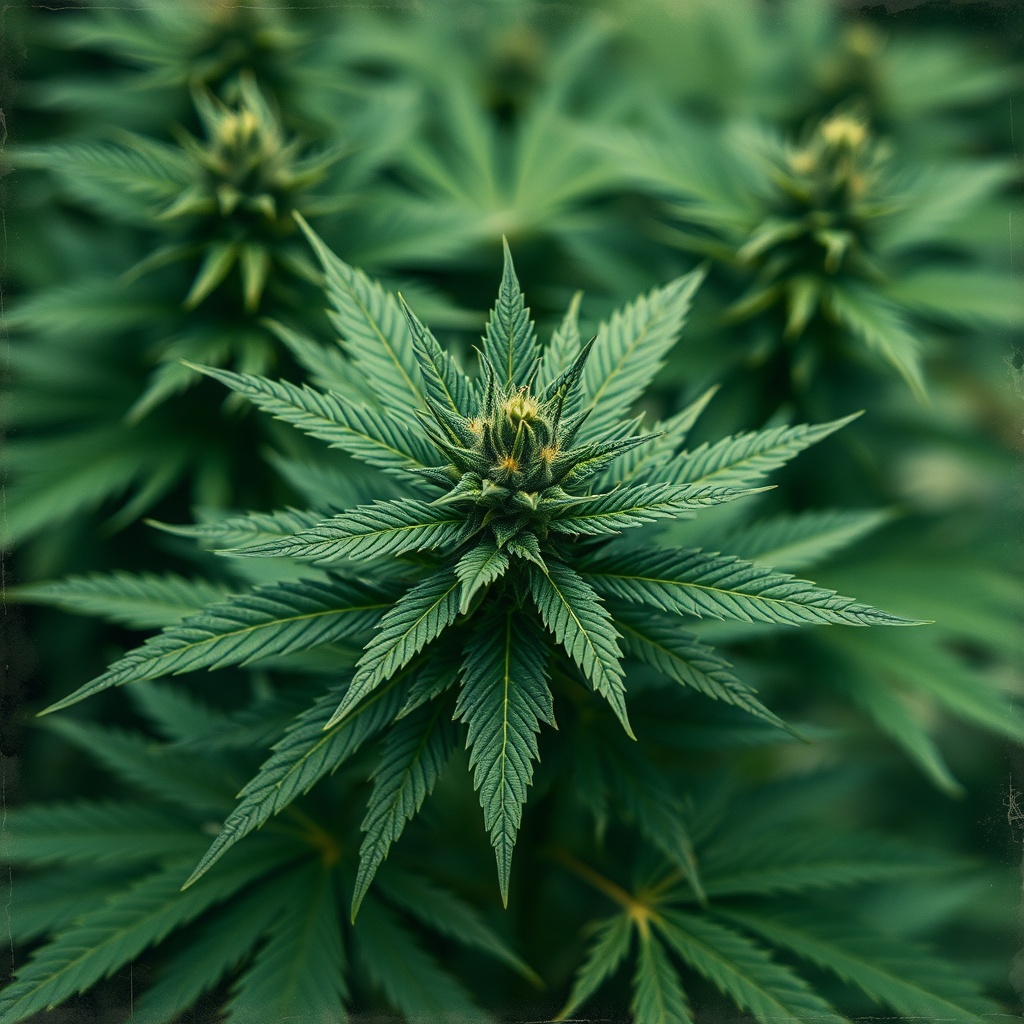
What to know about cannabinoids and terpenes
Cannabinoids are the active compounds in cannabis; THC and CBD are the most familiar. THC produces psychoactive effects, while CBD is non-intoxicating and sought for its calming and symptom-relief properties. Beyond those two, minor cannabinoids such as CBG and CBN are attracting attention for distinct effects and therapeutic potential. Terpenes—aromatic molecules—shape flavor and may influence effects through the “entourage effect” when combined with cannabinoids.
Choosing the right product and potency
Your ideal product depends on goals and tolerance.
Flower and vaporized concentrates deliver rapid effects, useful for symptom relief that needs to come on quickly. Edibles and capsules offer longer-lasting effects with delayed onset—start low and go slow to avoid unpleasant intensity. Tinctures provide a middle ground with dose control and faster onset than edibles.
Always check potency: THC and CBD milligrams determine strength. Reliable producers provide Certificate of Analysis (COA) lab reports showing cannabinoid content and absence of contaminants.
Look for third-party testing and clear labeling on dosage per serving.
Consumption methods: pros and cons
– Smoking/vaporizing: Fast onset, easy titration, but respiratory irritation is possible with combustion.
– Edibles: Discreet and long-lasting, but slower onset and variable absorption—wait several hours before re-dosing.
– Tinctures/oils: Flexible dosing; sublingual use can speed absorption.
– Topicals: Localized relief without psychoactive effects, used for muscle soreness or skin conditions where appropriate.
Safety, dosing, and interactions
Start with low doses and increase gradually. Microdosing—small amounts that provide subtle benefits without impairment—is a popular approach for daytime use. Remember cannabis can impair coordination and judgment: avoid driving or operating heavy machinery while impaired. Keep products locked away and clearly labeled to prevent accidental ingestion by children or pets.
Cannabis can interact with prescription medications through liver enzymes (CYP450 system). If you take other medicines, consult a healthcare professional before using cannabis to avoid unwanted interactions.
Quality, testing, and labeling
Choose products from reputable brands that disclose lab test results. COAs should confirm potency and screen for pesticides, heavy metals, and microbial contaminants. Beware of unregulated sources; inconsistent potency and contaminants are common in products without testing.
Medical applications and seeking guidance
Cannabis is used by many for pain management, sleep support, anxiety relief, and symptom control in chronic conditions. For therapeutic use, consult a healthcare provider familiar with cannabis therapeutics. They can advise on dosing, product selection, and potential interactions with ongoing treatments.
Practical tips for storage and travel
Store cannabis in a cool, dark, airtight container to preserve potency and terpenes. Avoid heat and direct sunlight. Transport laws are complex and vary widely—only carry cannabis where it’s legally permitted and comply with local limits.
Final thoughts
Cannabis offers a broad spectrum of experiences and potential health benefits, but safe and informed use depends on product quality, appropriate dosing, and awareness of legal and medical considerations. When in doubt, rely on lab-tested products, consult knowledgeable professionals, and prioritize safety for yourself and others.