CBD oil: practical guidance for choosing, using, and staying safe
CBD oil has become a common wellness option for people seeking support for sleep, stress, pain management, and overall balance.
With so many products on the market, knowing how to choose a high-quality CBD oil and use it safely makes a big difference.
What CBD oil is and how it works
CBD (cannabidiol) is one of many cannabinoids found in the cannabis plant. Unlike THC, CBD does not produce an intoxicating “high.” It interacts with the body’s endocannabinoid system and other signaling pathways, which helps explain its broad effects on mood, sleep, inflammation, and pain perception.
Types of CBD products
– Full-spectrum: contains CBD plus other cannabinoids, terpenes, and plant compounds, which can enhance effects through the “entourage effect.” These products may contain trace amounts of THC.
– Broad-spectrum: retains multiple cannabinoids and terpenes but has THC removed.
– CBD isolate: pure CBD with no other cannabinoids or terpenes.
Form factors and absorption
– Tinctures/sublingual oils: placed under the tongue for relatively fast absorption and easy dose control.
– Capsules and edibles: convenient, longer-lasting effects but slower onset due to digestion.
– Vapes: rapid onset, high bioavailability, but carry respiratory risks and require caution.
– Topicals: applied to the skin for localized relief without systemic effects.
How to pick a quality CBD oil
– Third-party lab testing (COA): look for lab reports that confirm potency and screen for pesticides, heavy metals, solvents, and microbial contaminants.
– Clear labeling: product should list CBD amount per serving and ingredients.
– Extraction method: CO2 extraction is widely regarded as clean and efficient; solvent-free processing is preferable.
– Transparent sourcing: reputable brands will disclose hemp source and farming practices—organic or regenerative practices are a plus.
– Brand reputation: read independent reviews and check for clear customer service and return policies.
Dosing guidance and safety
Start low and go slow. A common approach is to begin with a low daily dose, monitor effects for several days, then gradually increase until the desired effect is achieved.
Individual response varies based on body weight, metabolism, product potency, and the condition being addressed.
Potential side effects include dry mouth, drowsiness, gastrointestinal upset, and changes in appetite. CBD can interact with medications that are metabolized by liver enzymes (CYP450); notable examples include certain blood thinners and some anticonvulsants. Anyone taking prescription medications, pregnant or breastfeeding, or with liver disease should consult a healthcare professional before using CBD.
Legality and travel
Legal status varies by jurisdiction.
Hemp-derived CBD products are widely available where they meet local hemp/THC thresholds, but regulations differ. Always check local laws before purchasing or traveling with CBD.
Final tips for buyers
– Look for certificates of analysis and verify them against the brand’s batch numbers.
– Prefer full-panel lab results that include pesticide, heavy metal, and solvent testing.
– Consider product type based on desired onset and duration (sublingual for quicker relief, capsules for convenience).
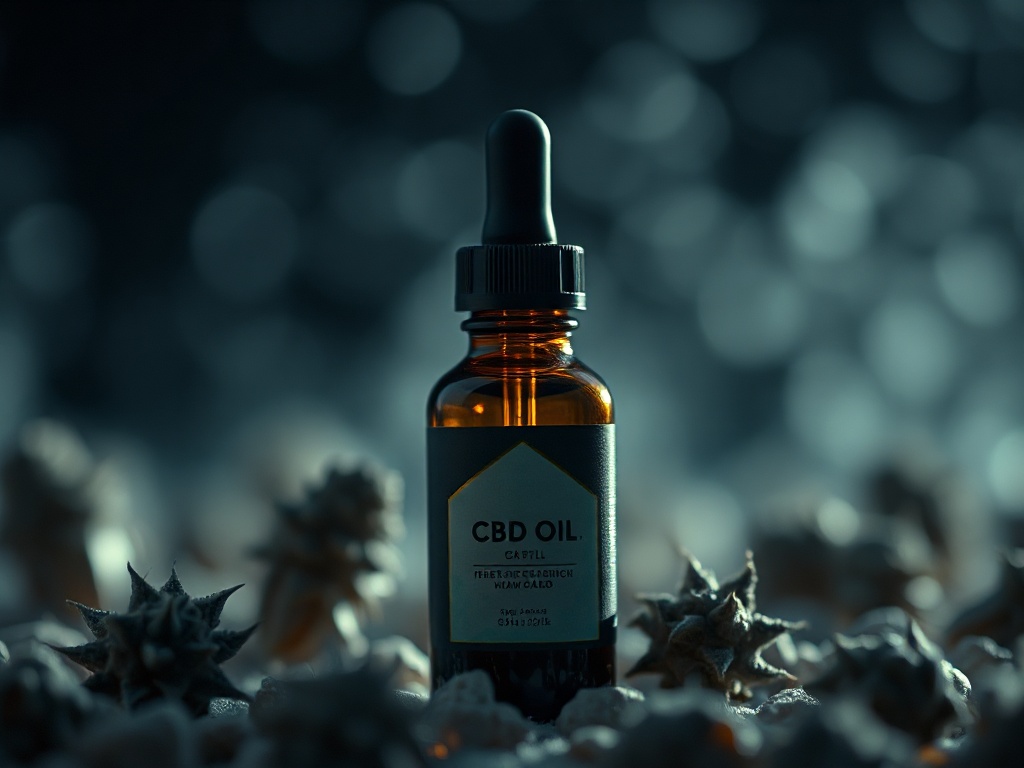
– Keep CBD oil in a cool, dark place to preserve potency and flavor.
With careful selection and responsible use, CBD oil can be a useful tool in a wellness routine.
For personalized advice and to avoid interactions with other treatments, consult a qualified healthcare provider.