THC: Practical Guidance on Use, Dosing, Testing, and Safety
What is THC and how it works
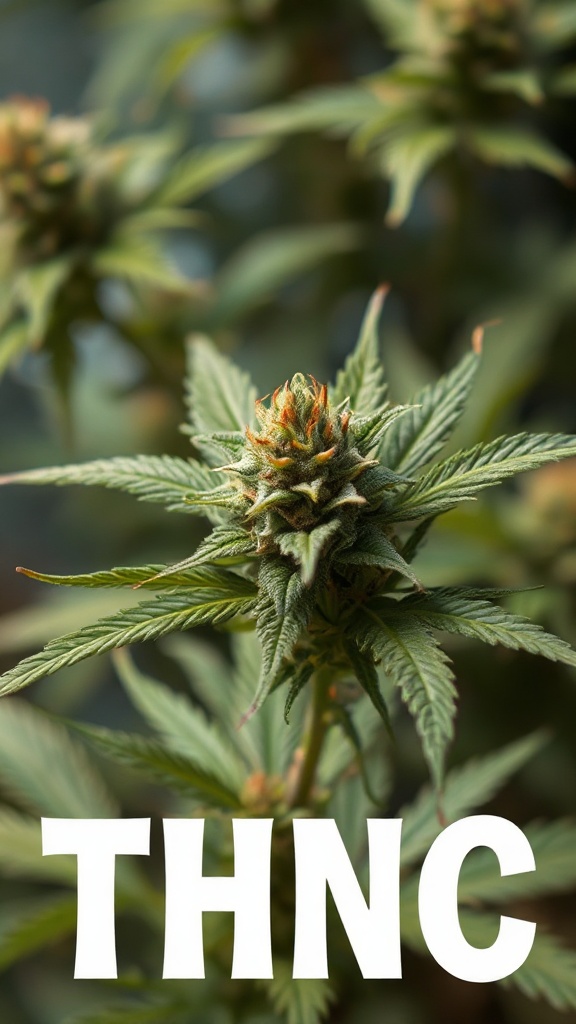
THC (tetrahydrocannabinol) is the primary psychoactive compound in cannabis. It binds to cannabinoid receptors in the brain and body, producing effects that range from relaxation and euphoria to altered perception and appetite changes. Individual response varies with genetics, tolerance, product type, and even mood or environment.
Choosing the right product
Products now span flower, concentrates, tinctures, vapes, beverages, and edibles. Each has a different onset and duration:
– Inhalation (smoking/vaping): fast onset—effects typically begin within minutes and peak quickly.
– Edibles and beverages: slower onset—effects can take from 30 minutes up to a few hours, but they can last much longer.
– Tinctures and sublinguals: intermediate onset; absorption under the tongue can speed delivery compared with swallowing an edible.
Nanoemulsion and water-soluble formulations promise faster onset for beverages and edibles, but individual effects still vary.
Dosing: start low and go slow
A cautious approach prevents unpleasant experiences. Common guidance:
– Microdose: 1–2.5 mg THC for subtle effects many people find helpful for creativity, focus, or mild symptom relief.
– Low dose: around 5 mg for a noticeable but manageable effect for most inexperienced users.
– Standard dose: 10 mg or more can produce strong effects for many; those with lower tolerance should avoid jumping straight here.
Wait long enough before redosing—especially with edibles—to avoid stacking effects.
If you’re new or returning after a break, start even lower.
Microdosing trends
Microdosing has grown in popularity among people seeking therapeutic or performance benefits without strong intoxication. Typical microdosing schedules vary: some use daily low doses, others alternate days. Track how you feel and adjust slowly; combine with mindful routines for best results.
Tolerance and tolerance breaks
Regular THC use leads to tolerance. Short breaks can restore sensitivity and lower required dosages. Even brief periods away from use can reset receptors and reduce daily consumption needs. Monitor sleep, appetite, and mood during breaks—withdrawal symptoms are usually mild but can include irritability or sleep disruption.
Drug testing: what to know
THC can be detected by various tests:
– Saliva: detects recent use, typically within a few days.
– Urine: most common workplace test; detection ranges from a few days after a single use to several weeks for frequent users.
– Blood: best for detecting recent impairment; window is generally shorter than urine.
– Hair: can show longer-term use over months.
Factors that influence detection include frequency of use, body fat, metabolism, and the sensitivity of the test. If you face workplace testing or legal restrictions, assume THC may be detectable for a variable period and act accordingly.
Safety and harm reduction
– Avoid driving or operating heavy machinery while impaired.
– Don’t mix THC with alcohol or sedatives—effects can amplify.
– Store products securely away from children and pets; edible packaging can be tempting.
– If you use prescription medications, check for interactions with a healthcare professional.
– If anxiety or paranoia occurs, move to a safe environment, hydrate, breathe slowly, and consider CBD or benzodiazepine guidance from a clinician if symptoms are severe.
Navigating the market and regulations
Product labels often list THC content, but potency and purity can vary. Buy from reputable suppliers that provide third-party lab testing.
Local laws and regulations differ widely; make sure you understand legal limits and rules where you live or travel.
Practical wrap-up
THC offers both recreational and therapeutic possibilities when used thoughtfully. Prioritize dosing control, know how different delivery methods affect onset and duration, plan for testing considerations, and follow safety best practices to get the benefits while minimizing risk.